
Custom Art Sculptures and Landmark Sculptures: A Commercial Buyer's Guide
How to specify, evaluate, and procure custom art sculptures and landmark sculptures for commercial installations, with material trade-offs, supplier questions, and contract pitfalls to watch.
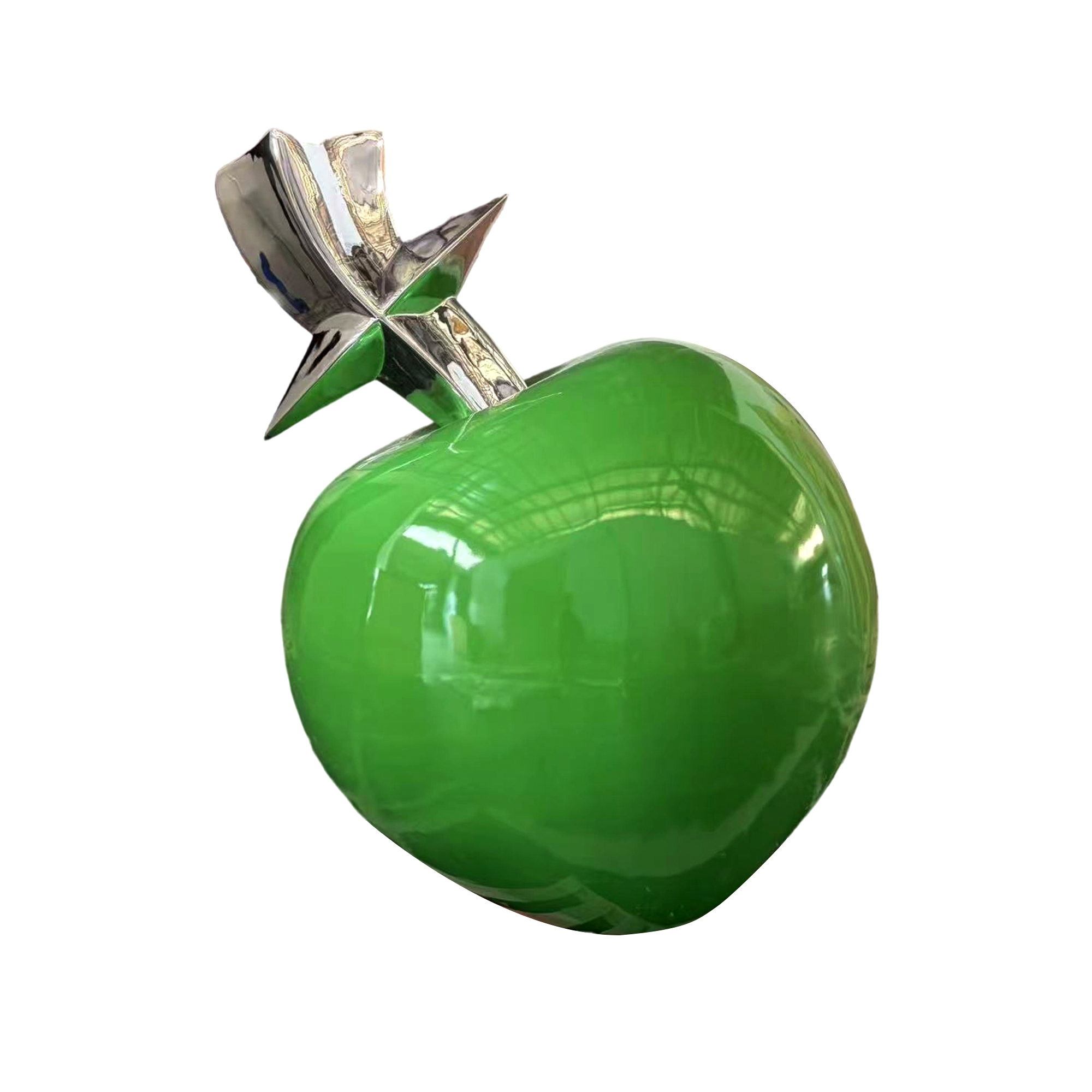
What buyers are actually procuring
A custom art sculpture is a one-off fabricated object made to a client's design intent, site, and budget. A landmark sculpture is the same process with a higher bar: it is expected to anchor a place, survive long outdoor exposure, and read clearly from a distance. Character sculptures sit between the two, usually reproducing a recognizable figure or mascot where likeness accuracy matters as much as durability.
That distinction matters at the procurement stage. A landmark piece carries structural, wind-load, corrosion, and maintenance questions that a lobby sculpture does not. Character work carries approval and likeness questions. Treat each as a different specification problem rather than one generic "sculpture" line item.
This guide is written for the buyer who has an approved concept or a reference image and now has to choose a fabricator, lock a specification, and avoid costly surprises between deposit and installation.
Start with the site, not the material
Material choice is downstream of where the piece will live and who will touch it. Before comparing fiberglass against stainless steel, confirm these site conditions with the project's architect or engineer:
- Indoor or outdoor exposure. UV, rain, salt air, freeze-thaw cycles, and pollution all change the material and coating decision.
- Structural support. What the slab, roof, or plinth can carry, and who is responsible for the foundation or anchor design.
- Wind and seismic context. Relevant for tall, cantilevered, or sail-like forms; the local code authority and a qualified engineer set the actual requirements.
- Public contact. Whether people will climb, sit, or lean on it, which affects edges, finishes, and fixings.
- Access for delivery and installation. Door widths, crane reach, and whether the piece must be built in sections and joined on site.
- Maintenance reality. Who cleans it, how often, and with what, because a finish that needs specialist care may not survive a facilities team's routine.
Write these answers into the brief. Suppliers quote very differently when the brief states "outdoor coastal plaza, public contact, 6 m tall" versus "outdoor sculpture."
Material trade-offs that change cost and risk
Most commercial sculpture briefs resolve to one of a few material families. The table below compares the practical trade-offs a buyer needs to weigh. It does not replace engineering advice for a specific site.
| Material | Typical fit | Key strengths | Watch-outs |
|---|---|---|---|
| Fiberglass | Complex organic shapes, character sculptures, indoor or sheltered features, painted finishes | Light weight, shape freedom, lower handling burden | Coating quality drives outdoor life; can be damaged by impact; UV-stable paint systems matter |
| Stainless steel | Landmark pieces, high-traffic public art, reflective or polished forms | Strength, corrosion resistance when the correct grade is specified, repairable welds | Grade and finish must be stated; fingerprints and glare need a maintenance plan; heavier lifting |
| Wood | Interior features, park and landscape pieces, warm natural aesthetics | Workable, repairable, visually warm | Moisture movement, rot risk outdoors, species and treatment must be specified |
| Wrought iron / steel | Gates, frames, decorative structures, character armatures | Strength, forgeable detail | Corrosion protection is decisive; coating system and drainage details matter |
| Foam | Pattern-making, oversized shapes, temporary or indoor display | Very light, fast to shape, good for masters and molds | Rarely a final outdoor material on its own; usually coated or used as a form |
| PVC | Signage-adjacent shapes, indoor features, low-load decorative elements | Light, weather-tolerant, low maintenance | Limited structural role; heat and impact limits; check finish adhesion |
Two rules save money here. First, ask the fabricator to justify the material against the site conditions in writing, not just to quote a price. Second, separate the structural material from the cosmetic finish. A steel armature inside a fiberglass skin, or a painted coating over stainless, is normal; what matters is that both layers are specified and inspectable.
Specification documents to request before signing
A sculpture purchase fails most often on missing paperwork, not missing skill. Ask for a specification pack that includes:
- Dimensioned drawings at agreed scale, with tolerances stated for overall size and key features.
- Material schedule naming the specific material, grade or alloy where relevant, thicknesses, and coating system.
- Structural and fixing details showing the base plate, anchors, internal frame, and any engineer's sign-off required by the project.
- Finish specification with color references, gloss level, and a sample or mock-up for approval.
- Approval milestones for concept, 3D model, structural review, finish sample, and pre-shipment inspection.
- Delivery and installation scope stating who supplies cranes, rigging, foundations, and site labor.
If a supplier cannot produce these before a deposit, that is a signal about how the project will be run. The reference pieces supplied for this guide—customer-supplied sculpture references in the Art Seating & Commercial Installations category—confirm size, material, color, and finish per custom project, which is exactly why those items must be written into the contract rather than assumed.
How to evaluate a sculpture fabricator
Price comparison is only meaningful once you know suppliers are quoting the same scope. Use these evaluation areas to separate comparable bids from optimistic ones.
Design and engineering capability
Ask how the supplier turns a concept into a buildable model, who checks structural adequacy, and whether an independent engineer reviews tall or public-contact pieces. A fabricator who only quotes from a photo without asking about wind, anchors, or access is quoting a sculpture, not a project.
Fabrication evidence
Request documentation of comparable work: process photos, material certificates where applicable, and finish samples. Verify that the material in the sample matches the material in the specification. For character sculptures, ask how likeness is approved—typically a 3D model review and a physical sample before full production.
Quality control and inspection
Define inspection points in the contract: dimensional check, weld and joint inspection, coating thickness or adhesion check where specified, and a pre-shipment review with photos or video. Agree who signs off and what happens if an item fails.
Logistics and installation
Confirm shipping method, crating, insurance, customs responsibilities for cross-border projects, and on-site support. For landmark sculptures, ask for a lifting and assembly plan and confirm the site's crane capacity and access before fabrication is complete.
Communication and change control
Ask how design changes are priced and scheduled. A written change-order process protects both sides when a client requests a size or finish change mid-build.
Questions to put in the request for quotation
These questions make bids comparable and expose assumptions early:
- What material and coating system do you recommend for this site, and why?
- Which parts of the structure are engineered, and who signs off?
- What are the dimensional tolerances, and how will they be measured?
- What approval stages are included, and how many revision rounds?
- What is included in delivery and installation, and what is excluded?
- How will the piece be packed, lifted, and joined on site?
- What maintenance does the finish require, and what shortens its life?
- What documentation will be handed over at completion?
Require answers in writing with the quotation. Verbal assurances about durability or site performance are not specifications.
Procurement pitfalls and warning signs
Most disputes in this category trace back to a handful of avoidable gaps:
- Buying from a photo. A reference image shows form, not material, thickness, or finish. Confirm all three separately.
- No structural owner. If neither the fabricator nor the client's engineer owns the anchor and foundation design, no one does.
- Finish approved only on screen. Colors and gloss read differently on a monitor. Approve a physical sample.
- Unclear installation scope. Crane hire, rigging, and site labor are frequently assumed to be the other party's responsibility.
- Compressed schedules without milestones. A short lead time is only credible if approval and inspection stages are defined.
- Vague material names. "Stainless steel" or "fiberglass" without grade, thickness, or coating detail leaves the quality decision to the fabricator.
- No maintenance handover. The client inherits a finish with no guidance on cleaning or repair.
None of these require technical expertise to catch. They require the buyer to insist on written scope before money moves.
Validating the piece before full production
For any significant commission, stage the approval so errors are caught while they are cheap to fix. A practical sequence is: concept and dimension review, 3D model approval, small-scale or full-scale physical sample for form and finish, structural review, then production. For character sculptures, add a likeness approval step with the rights holder if the figure is licensed or brand-owned.
At pre-shipment, inspect against the approved drawings and sample, not against memory. Photograph the piece from the angles specified in the contract, check fixings and base plates, and confirm the packing method suits the transport route.
Next steps for your project
Write a one-page brief covering site conditions, size, material preference or constraint, finish, installation responsibility, and budget range. Send it with the questions above and ask each supplier to respond point by point. Compare the written responses before comparing prices. Where a supplier's answer is thin, ask for the missing document rather than assuming the worst or the best.